
The UK mobile gaming market has been on a tear in recent years, with revenue projected to hit a staggering £8.4 billion by 2025. But what’s behind this phenomenal growth? Let’s take a closer look at three key factors driving the industry forward: the rise of casual gaming, the influence of social media, and the significance of mobile-first game development.
The Casual Gaming Revolution
Casual games have become the bread and butter of the UK mobile gaming scene. Titles like Candy Crush Saga and Gardenscapes have captured the hearts of millions, with their addictive gameplay, vibrant graphics, and short, bite-sized sessions that fit perfectly into a busy lifestyle. In fact, a recent survey found that 71% of mobile gamers in the UK play casual games, making them a clear favorite among players.
The Social Media Effect
Social media has played a crucial role in promoting mobile games and creating a sense of community among players. Games like Clash of Clans and Pokémon Go have leveraged social media to create a buzz around their releases, often with significant marketing spend. By tapping into existing user bases and encouraging user-generated content, social media integration has become a key aspect of mobile game development. It’s not uncommon to see players sharing their progress, competing with friends, or even creating their own content around these games.
The Rise of Mobile-First Development
As the mobile gaming market continues to grow, developers are shifting their focus towards creating games that are specifically designed for the smaller screens and touch interfaces of smartphones. This has led to the creation of innovative games like Hyper Jam and Geometry Dash, which showcase the unique capabilities of mobile devices. By prioritizing mobile development, studios can reach a broader audience and take advantage of the platform’s accessibility.
The Next Level: Online Gaming Entertainment
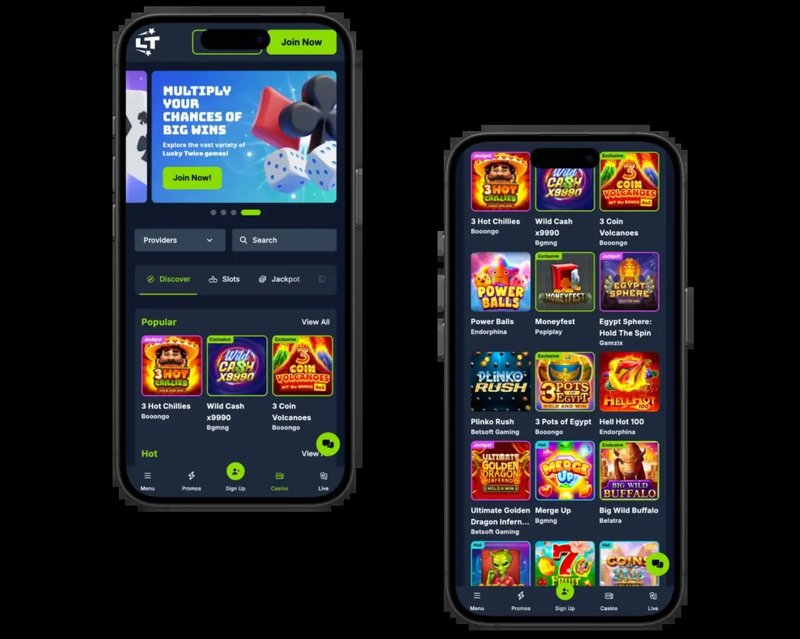
As the UK mobile gaming market expands, gamers are looking for ways to take their experience to the next level. For those seeking a more immersive and interactive experience, online gaming and casinos offer a thrilling alternative. With a vast array of games to choose from, including slots, table games, and live dealer options, there’s something for every taste. The rise of online gaming has also led to the emergence of new platforms that combine social media with gaming, blurring the lines between casual and immersive experiences. Tap here to discover the world of online gaming and entertainment at Lucky Twice, where you can enjoy a range of exciting games and promotions.
The Future of Mobile Gaming in the UK
Looking ahead, the UK mobile gaming market is poised to continue its upward trajectory. As developers focus on creating more complex and engaging experiences, the industry is likely to attract a wider range of players. The growth of esports and competitive gaming will also play a significant role, as mobile games become increasingly popular among professional players and spectators. As the market evolves, one thing is clear: mobile gaming will remain a driving force behind the UK’s thriving gaming industry.
Staying Ahead of the Curve
As the UK mobile gaming market continues to evolve, it’s essential to examine the factors contributing to its success. While casual gaming, social media, and mobile-first development are all crucial elements, the industry’s future will ultimately depend on its ability to adapt and innovate. As the market continues to grow and change, developers and gamers alike will need to stay ahead of the curve to capitalize on emerging trends and technologies.
Frequently Asked Questions
What is driving the UK’s mobile gaming market growth?
The UK’s mobile gaming market growth is driven by the rise of casual gaming, the influence of social media, and mobile-first game development.
Which casual games are popular in the UK?
Popular casual games in the UK include Candy Crush Saga and other titles that offer engaging gameplay experiences.
How significant is social media in the UK’s mobile gaming market?
Social media plays a crucial role in the UK’s mobile gaming market, as platforms like Facebook and Twitter help promote games and engage with players.
